

Experiencing Korea’s Railway Technology and Fostering Global Cooperation
From June 18 to 20, 2025, trainees from the KGSP Global Railway Training Program at Woosong University participated in the Busan International Railway Technology Industry Exhibition (RailLog Korea 2025) and visited major railway construction sites in the southeastern region of Korea.
The three-day field trip aimed to help participants experience the latest trends in Korea’s railway industry, understand the country’s technological competitiveness, and strengthen global cooperation through academic and industrial exchanges.
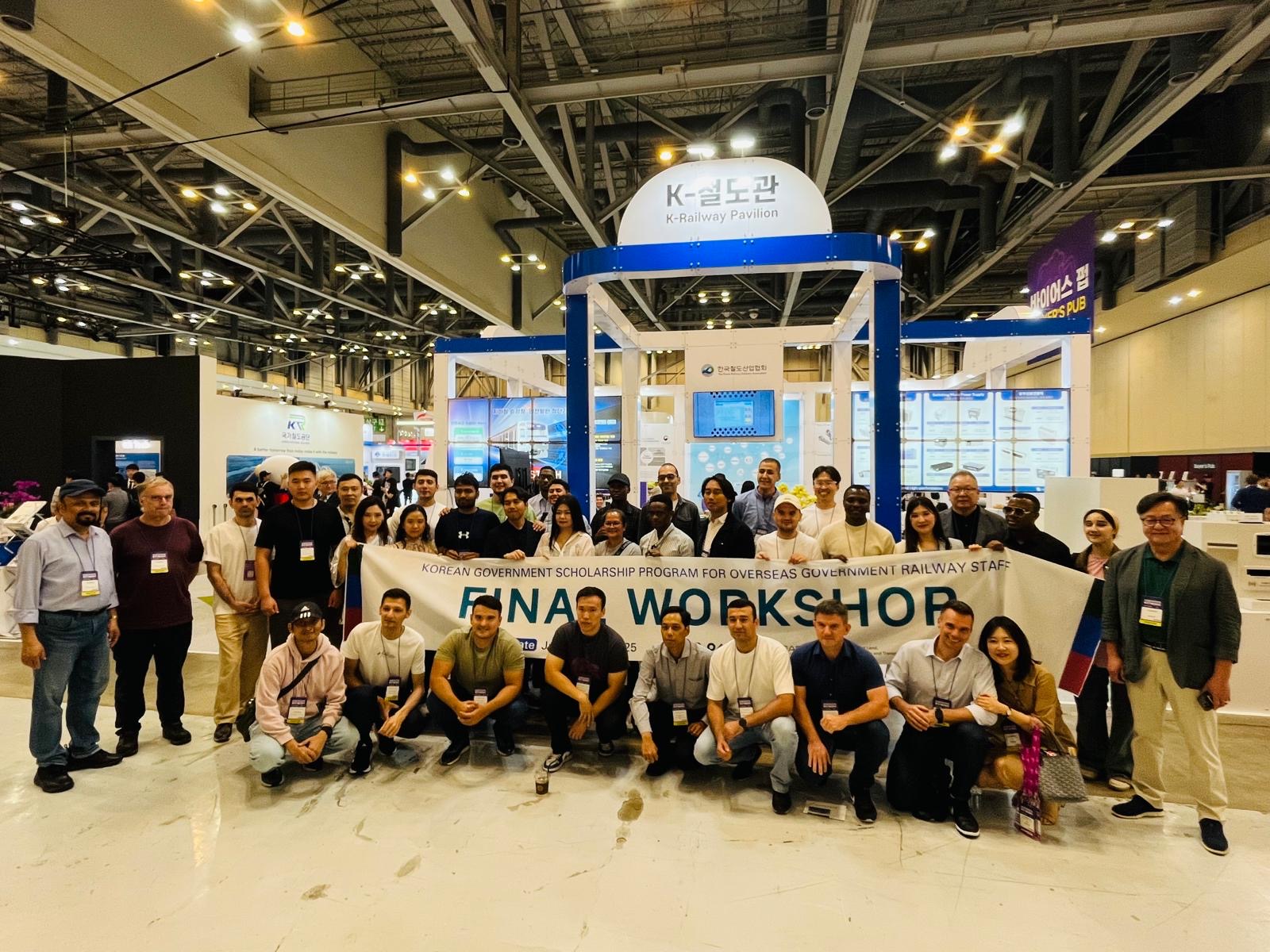
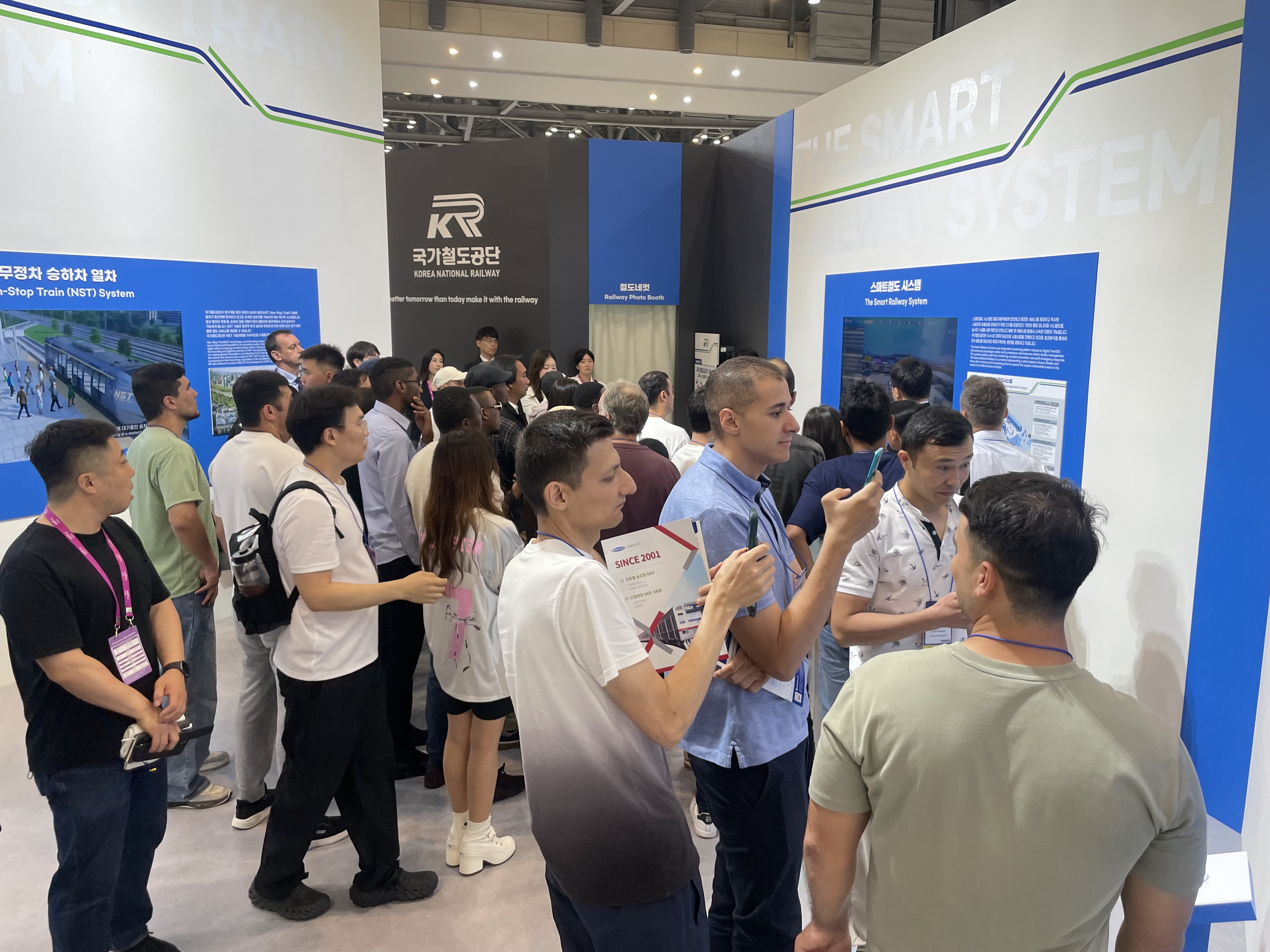
The program began with the trainees traveling from Daejeon to Busan, followed by visits to the Busan International Railway Technology Industry Exhibition, where they explored various booths showcasing cutting-edge technologies and innovations from domestic and international companies. During the exhibition, participants engaged with Korean railway corporations and shared insights into global railway development trends.
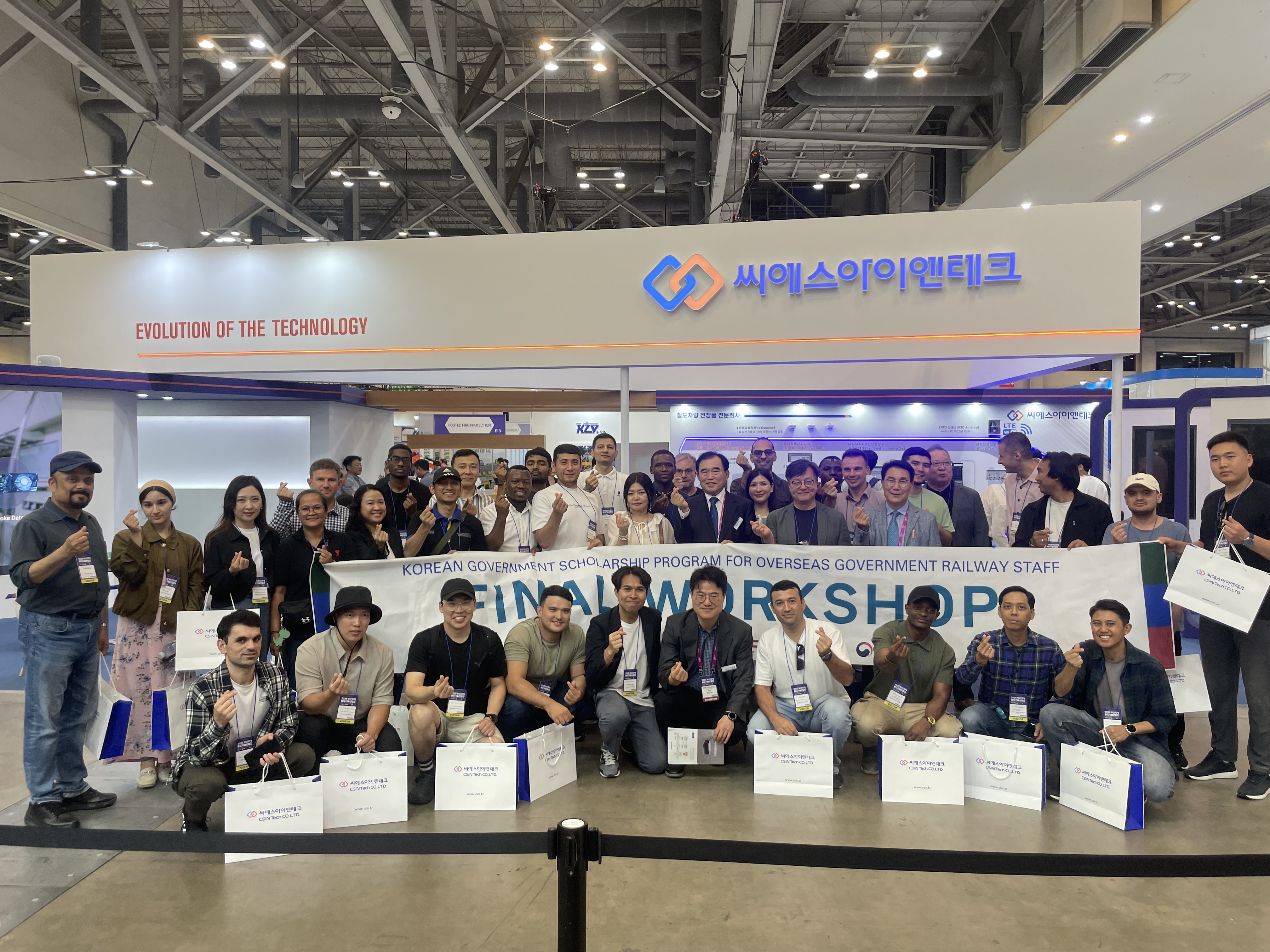

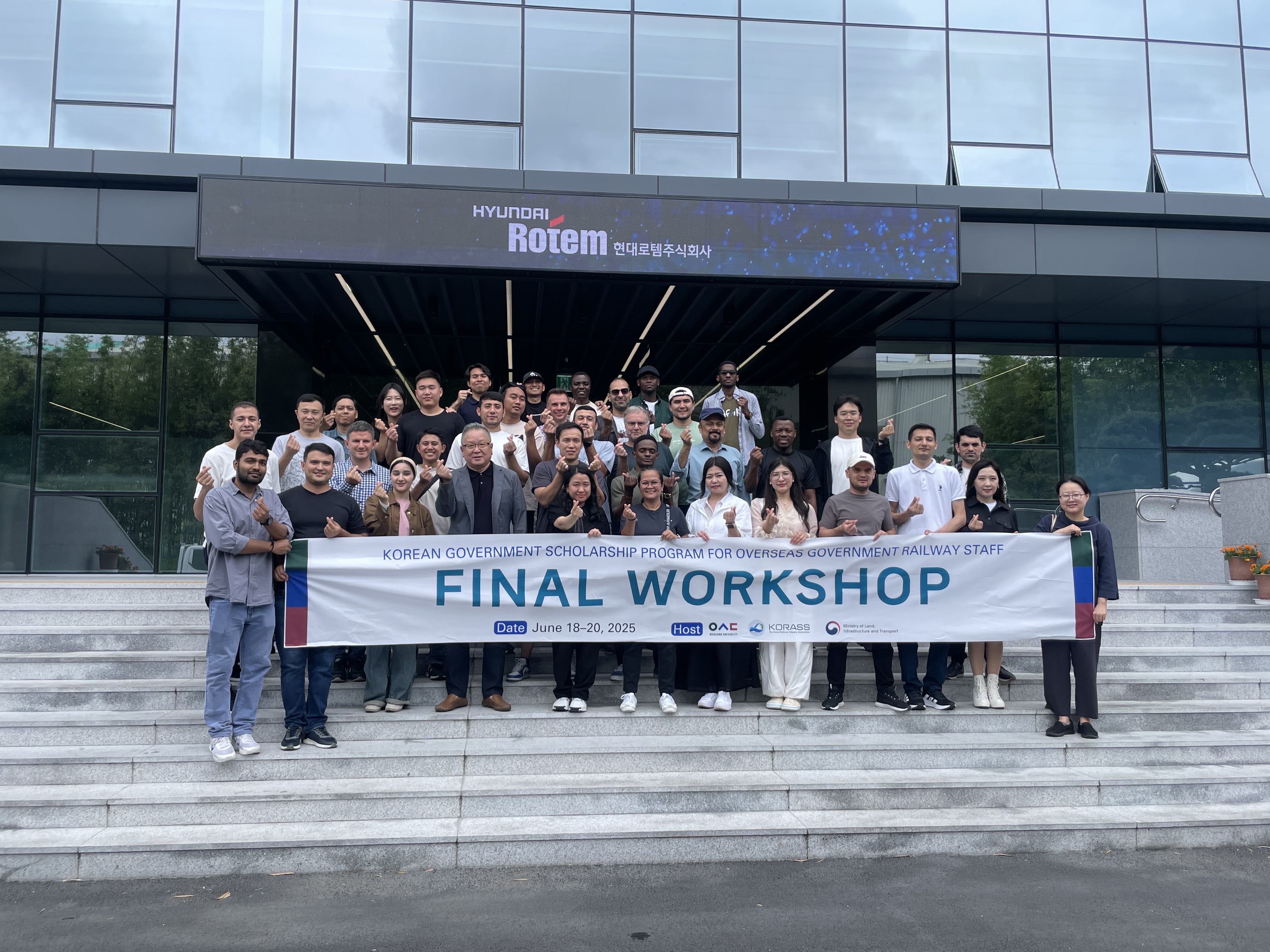
In the final part of the trip, the group visited the Hyundai Rotem Changwon Plant, where they toured the train manufacturing lines and learned about Korea’s advanced rolling stock production process. This visit offered a valuable opportunity to understand how Korea integrates innovation and technology in train design and production.
Throughout the trip, participants gained firsthand experience of Korea’s high-level railway technologies and project execution standards. The activity also served as a venue for sharing research outcomes and presentations, deepening trainees’ understanding of the importance of railway development in promoting regional and international connectivity.
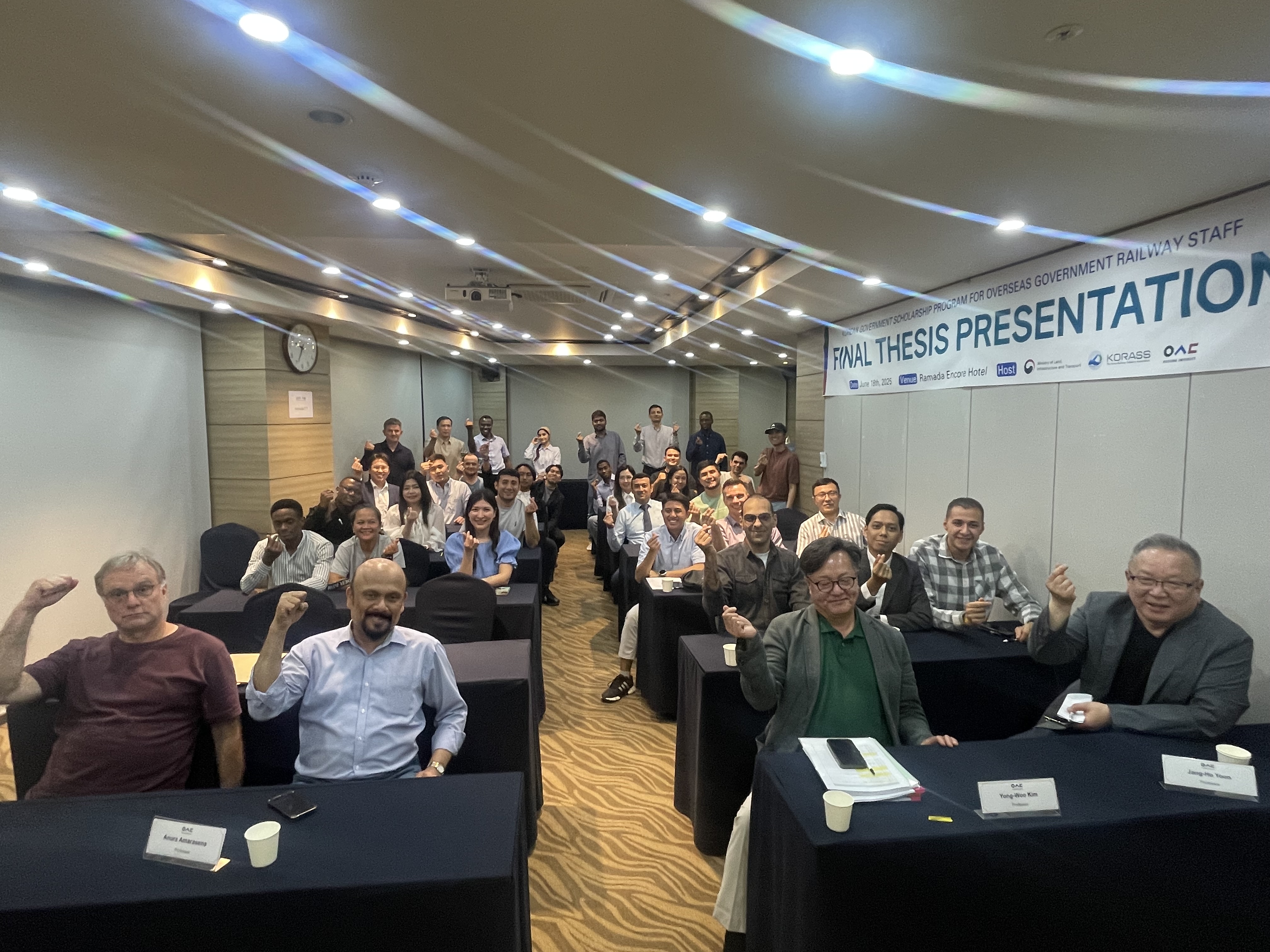
Throughout the trip, participants gained firsthand experience of Korea’s high-level railway technologies and project execution standards. The activity also served as a venue for sharing research outcomes and presentations, deepening trainees’ understanding of the importance of railway development in promoting regional and international connectivity.
The program concluded with the trainees expressing strong interest in applying the knowledge gained to future railway infrastructure development projects in their home countries, thereby contributing to global railway cooperation.


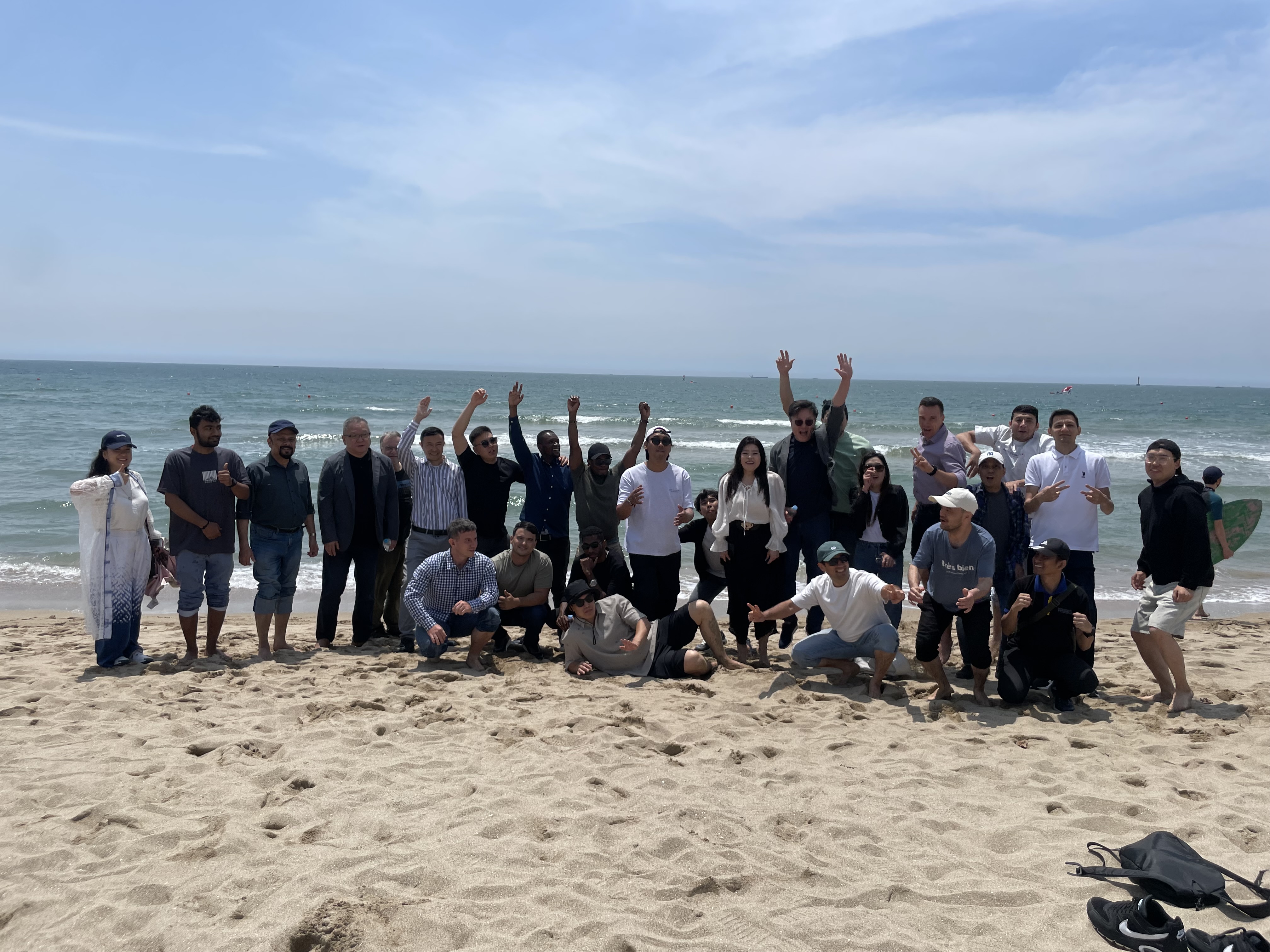
 KakaoTalk_20251106_145013902_08.jpg KakaoTalk_20251106_145013902_10.jpg KakaoTalk_20251106_145013902_01.jpg KakaoTalk_20251106_145013902.jpg KakaoTalk_20251106_145013902_11.jpg KakaoTalk_20251106_145656705.jpg KakaoTalk_20251106_145013902_06.jpg KakaoTalk_20251106_145013902_07.jpg KakaoTalk_20251106_145013902_05.jpg